
Custom Orthotics: Why They Are Essential at All Ages
Custom orthotics are precision-engineered medical devices designed to support and align your feet. Unlike generic inserts, they are manufactured from a unique mold of your foot to correct specific biomechanical issues, redistribute pressure, and alleviate pain, ensuring optimal mobility and health across every stage of your life.
What are custom orthotics and how do they work?
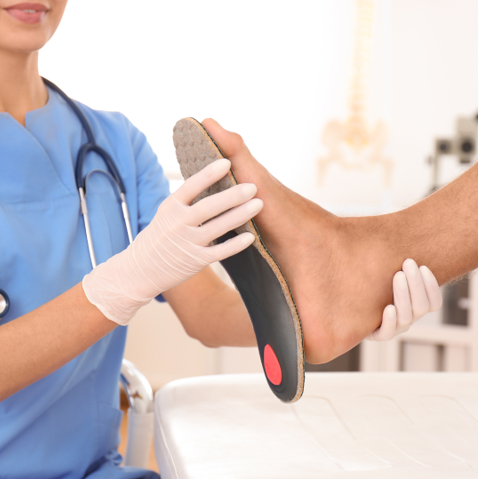
To understand the value of custom orthotics , one must first understand that the feet serve as the foundation for the entire body. When this foundation is misaligned, it creates a ripple effect throughout the kinetic chain, impacting the ankles, knees, hips, and lower back. Custom orthotics, also known as prescription shoe inserts , are more than just cushions; they are sophisticated medical tools designed to adjust the way your foot strikes the ground.
These devices work by controlling the motion of the foot joints during the gait cycle. For instance, if a patient suffers from excessive pronation (the foot rolling inward too much), a custom orthotic can provide the necessary structural support to keep the foot in a neutral position. By doing so, it prevents the overstretching of tendons and ligaments. At our practice in Monroe, MI, we view orthotics as an essential component of a holistic approach to healing, recognizing that when the body is properly aligned, its natural ability to heal itself is significantly enhanced.
Medical orthotics are constructed using high-quality materials such as carbon fiber, specialized plastics, and medical-grade foams. These materials are chosen based on the patient’s weight, activity level, and specific medical needs. Unlike mass-produced products, these inserts are designed to last for several years, providing consistent, reliable support that changes the way you move and feel on a daily basis.
Are custom orthotics better than over-the-counter insoles?
While over-the-counter (OTC) insoles are readily available at most pharmacies, they are not a substitute for professional orthotic therapy. The primary difference lies in the level of customization and the quality of the materials used. OTC inserts are designed for a "mass-market" foot, which essentially means they are designed for no one in particular. They provide general cushioning but cannot address complex biomechanical abnormalities.
Key reasons to choose custom over store-bought include:
- Precise Alignment: Custom devices are built to your exact foot structure, correcting the unique angles of your heel and arch.
- Durability: While OTC inserts typically wear out in 3 to 6 months, custom orthotics can last several years.
- Targeted Relief: They are specifically designed to treat medical conditions like plantar fasciitis or heel spurs .
- Material Quality: We use medical-grade materials that provide both rigid support and flexible comfort where needed.
- Professional Oversight: Your treatment is managed by a specialist who monitors your progress and makes adjustments as necessary.
Choosing a generic insert is often a temporary solution for a permanent problem. For those looking to maintain an active, pain-free lifestyle, the investment in professional care pays dividends in long-term health and reduced medical costs over time.
Why do children need custom orthotics?
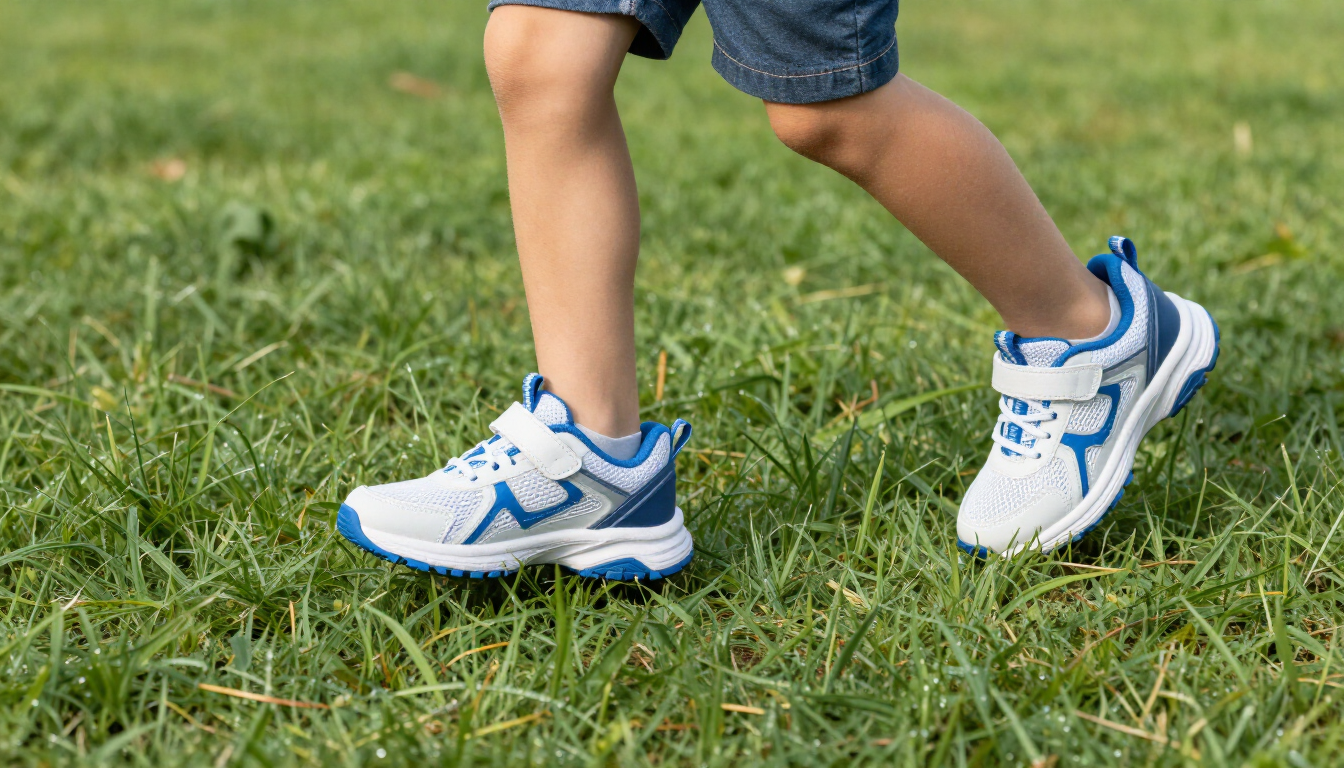
Childhood is a critical period for musculoskeletal development. The bones in a child’s foot are not fully hardened until their late teens, meaning they are highly susceptible to being shaped by the forces placed upon them. When a child has a condition like flat feet or an abnormal gait, it can lead to developmental delays, "growing pains," and a reluctance to participate in physical activities.
Custom orthotics for children are often used to provide a stable base for the developing foot. By maintaining proper alignment during the growing years, we can prevent many of the chronic foot problems that plague adults. For example, if a child’s foot is allowed to remain in a collapsed position, it can lead to permanent structural changes in the bones and joints of the feet and ankles. Our goal is to provide comprehensive care that helps each child reach their full physical potential.
Symptoms that may indicate a child needs an evaluation include:
- Frequent tripping or lack of coordination.
- Complaints of tired legs after minimal activity.
- Visible wear patterns on the inside or outside of their shoes.
- A noticeable "pigeon-toed" or "out-toed" walking style.
- Avoiding sports or physical play due to discomfort.
How can orthotics help athletes and active adults?
For athletes and active adults in Monroe, the feet endure tremendous stress. Whether you are a runner, a hiker, or someone whose job requires standing on hard surfaces for eight hours a day, your feet are the primary shock absorbers for your body. Corrective foot supports are essential for distributing these forces evenly, thereby reducing the risk of overuse injuries.
In sports medicine, custom orthotics are frequently used to treat and prevent Achilles tendonitis and stress fractures. By optimizing the foot's mechanics, orthotics allow for a more efficient transfer of energy, which can actually improve athletic performance. When the foot is stable, the leg muscles don't have to work as hard to maintain balance, allowing for greater endurance and power.
Even for those who aren't competitive athletes, orthotics play a vital role in managing occupational foot health. Many professionals suffer from chronic heel pain due to improper footwear or biomechanical imbalances. Custom insoles provide the necessary arch support and heel cushioning to make standing and walking comfortable again, ensuring that foot pain doesn't interfere with your career or your quality of life.
What role do orthotics play in senior mobility?
As we age, the anatomy of our feet naturally changes. The fatty padding on the bottom of the foot, which acts as a natural cushion, begins to thin—a condition known as fat pad atrophy. Additionally, ligaments may lose their elasticity, causing the arches to drop and the feet to widen. These changes can lead to instability, increasing the risk of falls, which is a major health concern for seniors.
Custom orthotics for seniors are often "accommodative" in nature, meaning they are designed to provide maximum cushioning and pressure redistribution rather than aggressive correction. They are particularly vital for patients requiring diabetic foot care , as they help prevent the formation of pressure sores and ulcers by eliminating friction and high-pressure zones.
Benefits for the senior population include:
- Improved Balance: Stable feet provide better sensory feedback to the brain, helping to prevent falls.
- Joint Protection: By absorbing shock, orthotics protect arthritic knees and hips from excessive impact.
- Pain Management: They alleviate the discomfort associated with age-related conditions like bunions and hammertoes.
- Skin Health: Reducing friction is crucial for preventing calluses and skin breakdown in sensitive feet.
Common Foot Conditions Managed by Orthotic Therapy
Orthotic therapy is a versatile treatment modality used to address a wide range of clinical conditions. At our clinic, we evaluate the mind, body, and spirit of the patient to ensure that the orthotic design aligns with their specific lifestyle and health goals. Some of the most common conditions we treat with custom devices include:
- Plantar Fasciitis: Orthotics support the arch and reduce the tension on the plantar fascia ligament, which is the primary cause of morning heel pain.
- Metatarsalgia: By redistributing weight away from the ball of the foot, orthotics provide relief for those suffering from chronic forefoot pain.
- Diabetes-Related Complications: Custom inserts are a cornerstone of preventative education and care, helping to maintain skin integrity and prevent infections.
- Arthritis: Whether it is rheumatoid or osteoarthritis, custom supports can minimize joint movement that causes pain.
Each of these conditions requires a different approach to orthotic design. A patient with arthritis may require a softer, more flexible device, while a patient with severe flat feet may need a rigid, high-profile shell to provide the necessary control. This level of specificity is why a professional evaluation is so critical.
Understanding the Different Types of Prescription Orthotics
There are two primary categories of custom orthotics: functional and accommodative. The choice between them depends entirely on your specific symptoms, activity level, and medical history.
Functional Orthotics are usually made from semi-rigid or rigid materials like plastic or carbon fiber. They are designed to treat foot pain caused by abnormal motion and are also used to treat injuries such as shin splints or tendinitis. These devices are particularly effective at controlling the position of the subtalar joint and the midtarsal joints, ensuring the foot operates within its optimal range of motion.
Accommodative Orthotics are softer and more flexible. Their primary goal is to provide extra cushioning and support to take the pressure off uncomfortable or sore spots. These are often the preferred choice for patients with diabetes, severe arthritis, or those who have had previous foot & ankle surgery . They serve to protect the foot from the environment while accommodating structural deformities that cannot be corrected.
The Professional Custom Fitting Process
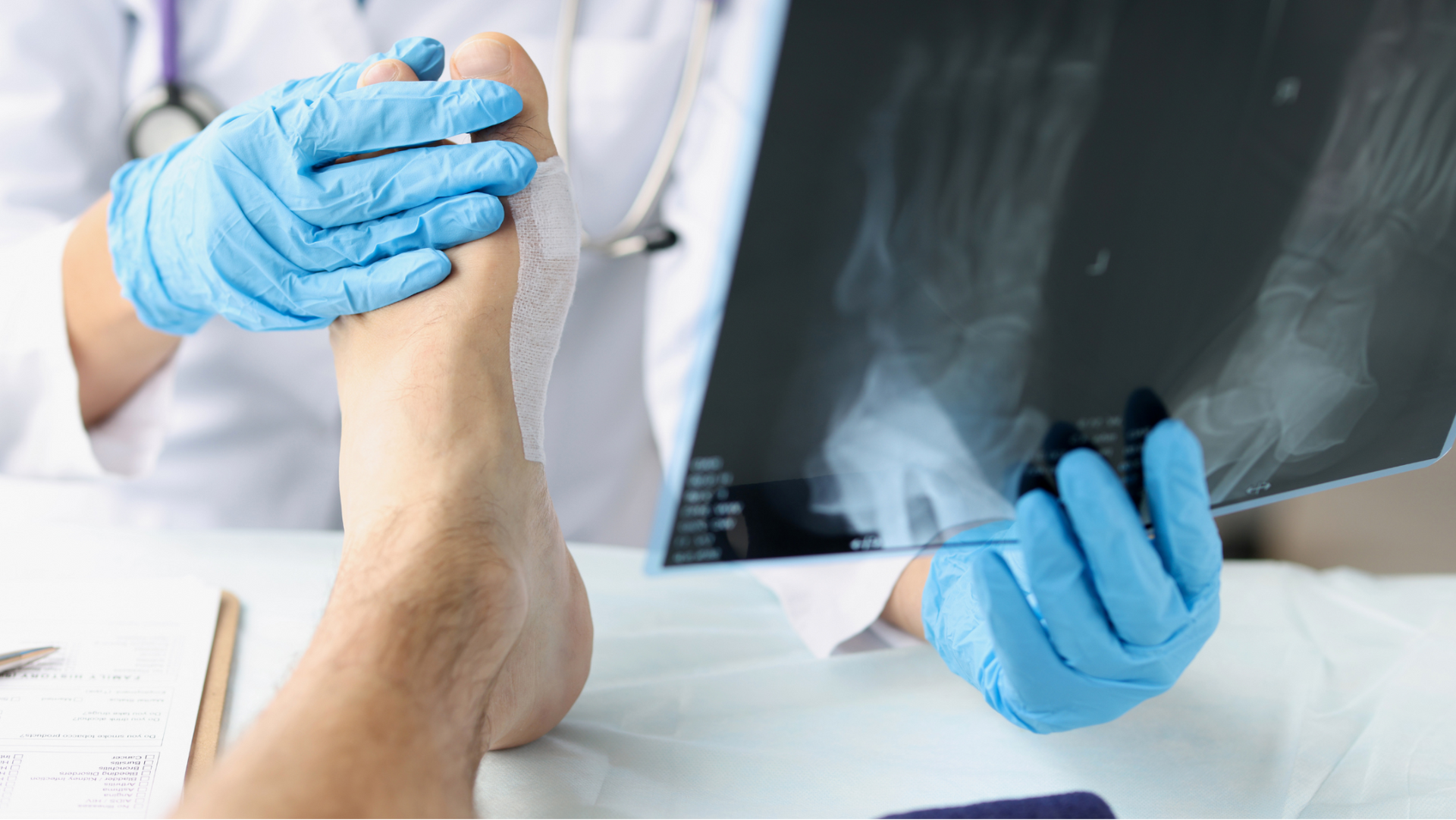
Getting fitted for custom orthotics is a detailed process that begins with a comprehensive biomechanical evaluation. Our specialists, such as Scott E. Hughes, DPM , conduct a thorough examination of your gait, joint range of motion, and muscle strength. We don't just look at your feet; we look at how your feet interact with the rest of your body.
We utilize advanced 3D scanning technology to create a digital map of your feet. This method is far more accurate than traditional plaster casting, capturing the nuances of your foot's shape in a non-weight-bearing position. This data is then sent to a specialized laboratory where your orthotics are fabricated to our exact specifications. Once the devices arrive, we conduct a fitting session to ensure they integrate perfectly with your footwear and provide the desired level of support.
Summary and Key Takeaways
Custom orthotics are a life-changing investment for individuals of all ages. From supporting the delicate development of a child's foot to protecting the mobility and safety of seniors, these medical devices provide a foundation for a healthy, active lifestyle. By addressing the root cause of biomechanical pain rather than just masking the symptoms, orthotic therapy empowers the body's natural ability to heal and maintain its integrity over time.
Key Takeaways:
- Personalized Care: Custom orthotics are uniquely designed for your specific foot anatomy and health needs.
- Lifelong Benefits: They prevent long-term damage in children and preserve mobility in seniors.
- Injury Prevention: For athletes and active adults, they are a critical tool for avoiding overuse injuries and improving performance.
- Professional Expertise: A clinical evaluation ensures you receive the correct type of device for your condition.
If you are experiencing foot pain or want to ensure your children’s feet are developing correctly, contact our team to learn more about our services and how custom orthotics can help you live a pain-free life.