
Summer Foot Safety: 7 Tips for a Pain-Free Season
Summer foot safety involves protecting your feet from high-heat surfaces, wearing supportive footwear instead of flimsy flip-flops, and maintaining hygiene to prevent fungal infections. By prioritizing moisture control and arch support, you can enjoy outdoor activities like hiking or beach walks without the risk of common seasonal injuries or chronic pain.
How can I protect my feet from beach hazards?
Ah, the beach. A place of serenity, crashing waves, and the sudden, frantic dance of someone who realized too late that the sand is roughly the temperature of the sun’s surface. We’ve all seen the "hot sand shuffle." While it looks like a poorly choreographed interpretive dance, it’s actually a recipe for second-degree burns. Protecting your feet starts with acknowledging that sand, pavement, and pool decks are heat-trapping monsters. Always wear water shoes or sandals when traversing these surfaces to keep your soles from becoming toasted paninis.
Beyond the heat, the beach is a literal minefield of sharp objects. From broken sea glass and jagged shells to the occasional discarded bottle cap, the hazards are real. A deep cut in the foot is not just a vacation-ruiner; it’s an invitation for bacteria to throw a party in your soft tissues. If you do sustain a cut, it’s vital to seek professional Wound Care to prevent the kind of infection that turns a fun weekend into a medical saga.
Furthermore, the ocean itself has its quirks. Stepping on a jellyfish or a stray sea urchin is a quick way to learn the anatomy of your foot through the medium of intense stinging. Wearing protective footwear while wading in murky water can save you from these unexpected underwater encounters. Remember, your feet are your primary mode of transportation; treat them like the luxury vehicles they are, not like off-road tires that can handle anything.
The barefoot lifestyle: Freedom or folly?
There is a certain romanticism associated with being barefoot in the summer. We imagine ourselves as woodland nymphs or rugged adventurers, connecting with the earth through our toes. In reality, we are mostly just biological magnets for Warts , splinters, and the dreaded Athlete's Foot . When you go barefoot in public spaces—especially locker rooms, public showers, and pool areas—you are essentially shaking hands with every fungus that has ever lived there.
For most of us, a fungal infection is an itchy nuisance, but for others, the stakes are much higher. If you are living with a condition that affects circulation or nerve sensation, such as Neuropathy , going barefoot is a dangerous game. You might step on a small pebble or a tack and not even feel it. This can lead to an Ulcer that refuses to heal. This is why consistent Diabetic Foot Care often emphasizes never, ever walking without shoes, even inside your own home.
If you must experience the grass between your toes, keep it to your private, well-maintained lawn. Even then, watch out for the local wildlife’s "contributions" to the landscape. Stepping in a dog-sized surprise is a different kind of summer foot emergency, and while not medically dire, it certainly hurts the soul. Keep the barefoot adventures to a minimum and keep a pair of sturdy shoes nearby at all times.
What are the best shoes for summer activities?
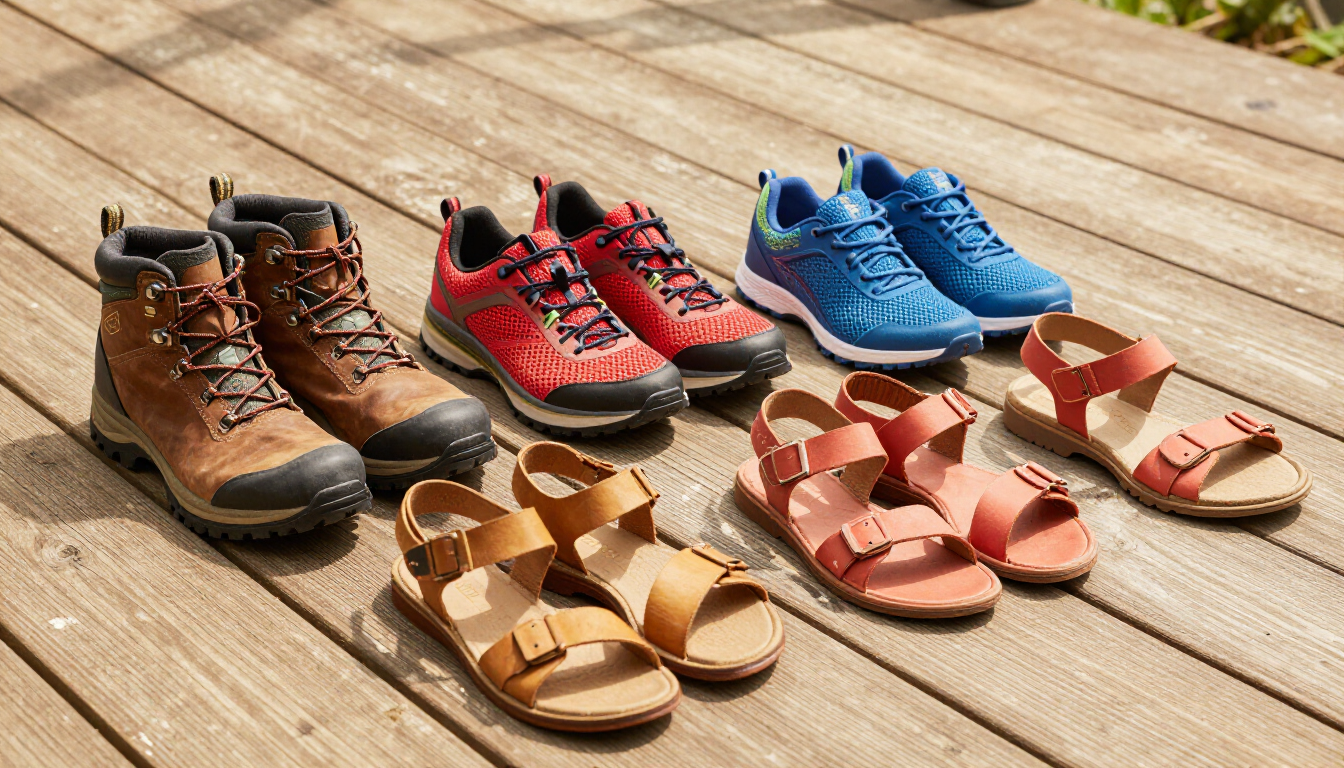
Choosing summer footwear is often a battle between fashion and function. On one side, we have the flip-flop: a shoe that provides as much support as a wet piece of cardboard. On the other side, we have the sensible walking shoe: the footwear equivalent of a kale salad. While flip-flops are fine for a 30-second walk from the car to the sand, they should never be your primary shoe for a day at an amusement park or a long stroll through the city.
Why are flip-flops the villains of the podiatry world? They lack arch support, heel cushioning, and any form of lateral stability. Wearing them for extended periods can lead to Ball of Foot Pain or even Hammertoes as your toes constantly scrunch up to keep the shoe from flying off. If you absolutely love the breeze on your toes, look for "supportive sandals" that feature a contoured footbed and a back strap to keep your heel secure.
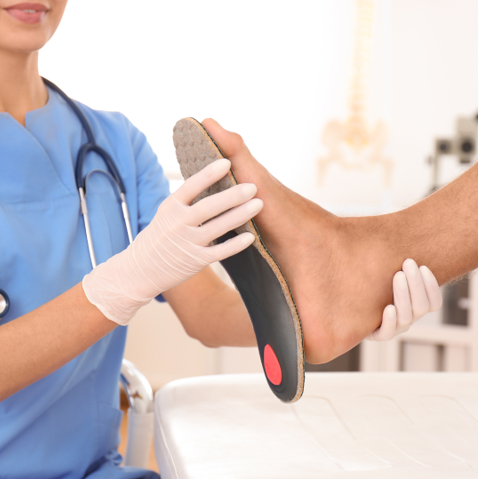
For those who need extra help, integrating Orthotics into your summer footwear can be a game-changer. Many modern sandals are actually designed with removable footbeds to accommodate custom inserts. This allows you to stay stylish without sacrificing the structural integrity of your feet. If you're planning on hiking or more intense activity, stick to breathable sneakers with moisture-wicking socks to avoid the swamp-foot effect that leads to blisters.
Why do my heels hurt more in the summer?
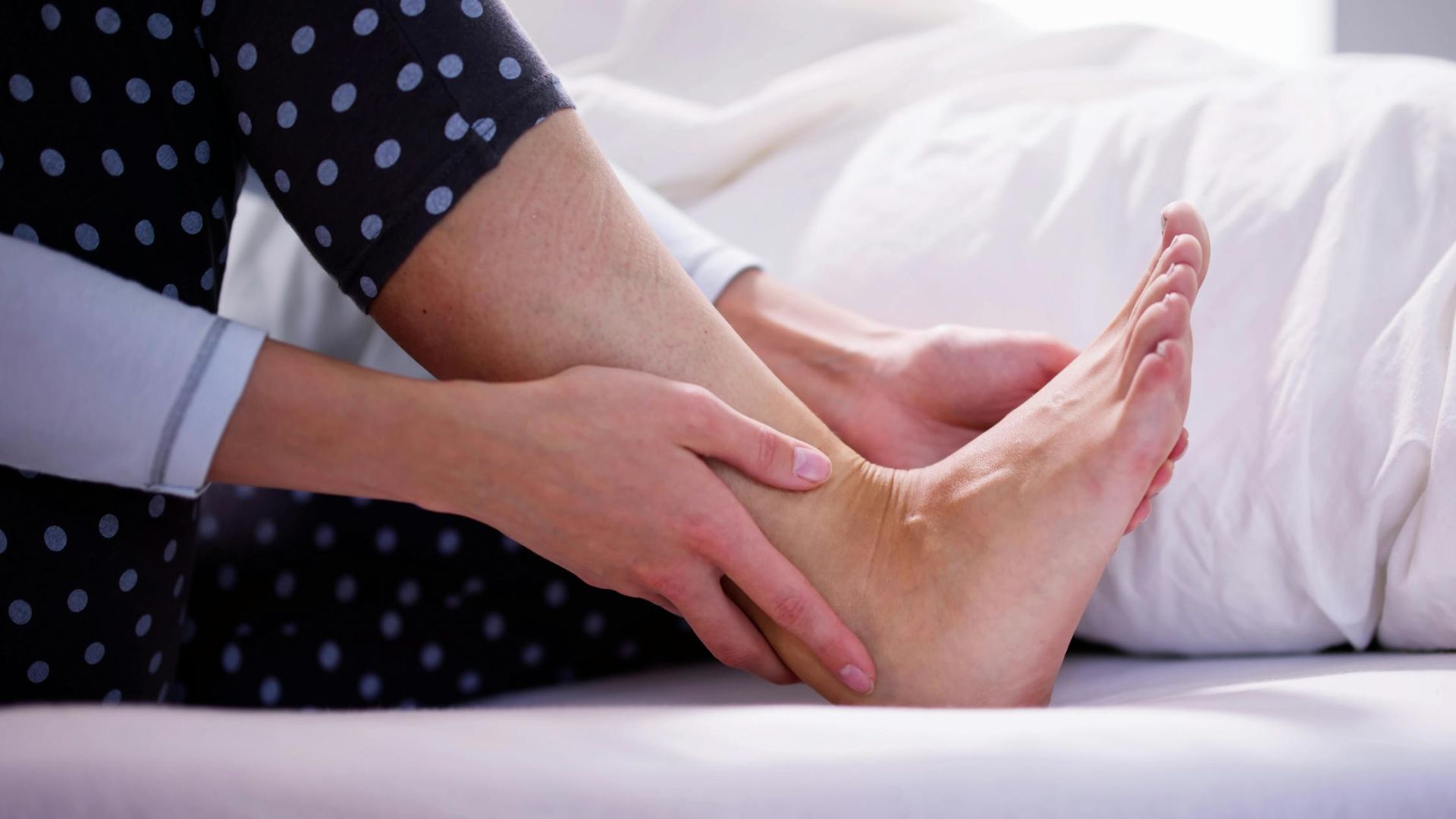
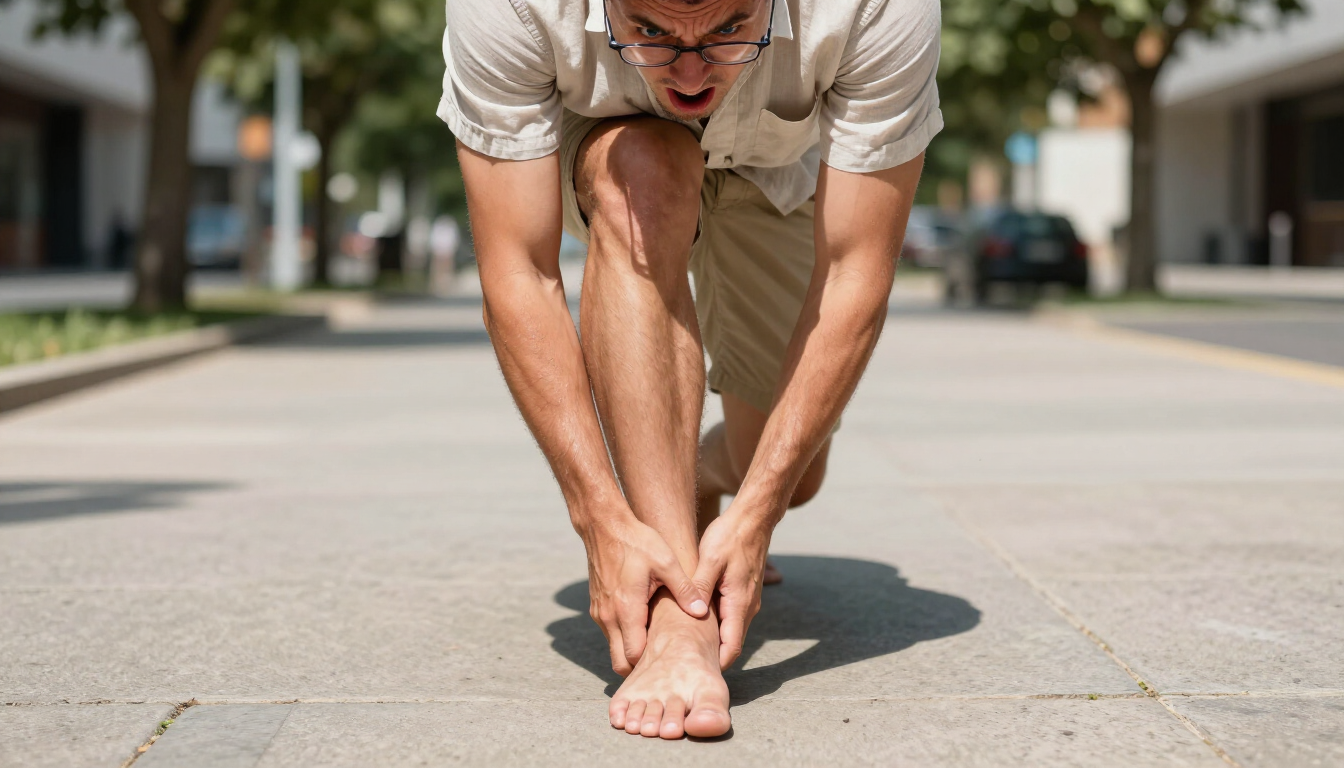
If you find yourself limping through the house after a long Saturday at the backyard BBQ, you aren't alone. Summer is the peak season for Heel Pain . The primary culprit is the sudden transition from the supportive shoes we wear all winter to the flat, unsupportive shoes (or no shoes) we wear in the heat. This sudden change puts immense strain on the thick band of tissue running across the bottom of your foot, leading to Plantar Fasciitis .
Imagine your plantar fascia is like a bowstring. When you walk in flat shoes, that string is stretched to its limit with every step. Over time, tiny tears develop, leading to that sharp, stabbing pain you feel first thing in the morning. To avoid this, try to avoid the "zero-to-sixty" approach to summer activity. Gradually increase your walking time and ensure you aren't spending your entire day in flimsy footwear.
If the pain persists, don't just hope it goes away with a few more mojitos. Persistent discomfort might indicate Heel Spurs or other structural issues that require a professional evaluation. Sometimes, a simple stretching routine or a change in footwear is all it takes to get you back on your feet. Ignoring the pain usually just makes the recovery time longer, so listen to what your heels are trying to tell you—even if they’re screaming.
Common seasonal foot conditions to avoid
Summer is the season of